seogidi.com
Social proof beats ads because people believe other people more than they believe brands. A review, a referral or a customer’s video carries a kind of trust that no ad budget can buy. Ads can get you seen. Proof is what gets you chosen.
The data has pointed this way for a long time. In Nielsen’s Global Trust in Advertising survey of consumers in 56 countries, 92% said they trust recommendations from people they know above every other form of advertising, as MediaPost reported in 2012. More recent numbers tell the same story. In BrightLocal’s 2026 Local Consumer Review Survey of US adults, 85% said they are more likely to use a business after reading positive reviews, according to PinMeTo’s summary of the survey.
If people cannot see that others trust you, they will not buy from you, no matter how good your ad looks.
Why social proof beats ads
Ads grab attention. Social proof drives the decision. Here is why the gap keeps widening.
People trust people, not brands
Your customer’s WhatsApp group matters more than your Facebook campaign. When someone in an office group asks “who knows a good tailor in Ikeja?”, the three names that come back will get more business that week than most sponsored posts.
That recommendation arrives with the reputation of the person who made it. Your ad arrives with nothing but your own word.
Most recommendations happen in private
“Dark social” is the name for conversations in private channels: WhatsApp, Telegram, DMs, Slack and Discord groups. Analytics tools cannot see them, but they shape a large share of buying decisions.
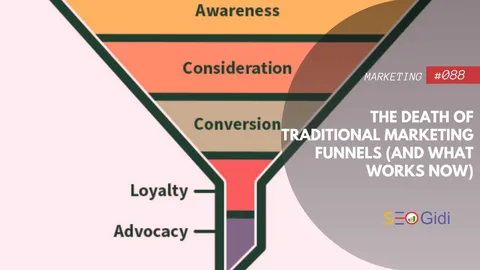
If your brand is never mentioned in those spaces, you are missing the conversations that matter most. We look at how this breaks the classic sales funnel in The Death of Traditional Marketing Funnels.
Organic buzz often outperforms paid reach
A short video of a real customer unboxing your product can reach more people, and convert more of them, than a polished ad. Viewers can tell the difference between someone paid to talk and someone who chose to.
Ads feel pushed, proof feels earned
When people see an ad, they know you paid to be there. When they see a review or hear a friend’s recommendation, it feels earned, and that is where trust starts.
Social proof outlives ads. An ad stops the day the budget runs out. A good review keeps working for years.
Social proof vs paid ads at a glance
| Paid ads | Social proof | |
|---|---|---|
| What it costs | Money every day it runs | Effort to earn and collect |
| How fast it works | Immediately | Slowly, then it compounds |
| How much buyers trust it | Low, they know you paid | High, it comes from other customers |
| What happens when you stop | Traffic stops | Reviews and referrals keep working |
| Who controls the message | You | Your customers |
Ads still have a place. They are good at putting a proven offer in front of more people. They are poor at creating trust from nothing.
The types of social proof that move buyers
Not all social proof carries the same weight. These are the forms that most often tip a decision.
Customer reviews and ratings
People want to see real experiences before they spend. That means reviews on your Google Business Profile, seller ratings on Jiji or Jumia, and ratings inside app stores.
Recency matters as much as volume. In the same BrightLocal 2026 survey, 74% of consumers said they look for reviews written in the last three months, and 80% said they are more likely to use a business that replies to all of its reviews (PinMeTo). A wall of five-star reviews from 2023 with no replies looks abandoned.
Short reviews can be powerful too. “They delivered my order to Ajah the same day” does more work than any line of ad copy.
Case studies with real numbers
Decision-makers, especially in B2B, want evidence. A case study that shows what changed for a client, with figures they have agreed to share, builds credibility fast. A Lekki interior designer posting before-and-after photos of a finished flat, with the client’s permission, is a case study too.
Only publish numbers you can stand behind. An invented “300% growth” claim will cost you more trust than it ever earns.
User-generated content
Customers posting TikToks, Instagram Reels or WhatsApp statuses about your product is free marketing, and it is more believable than anything you could produce. Make it easy: give people a hashtag, repost them with credit, and thank them publicly.
Community mentions
If your brand is recommended in niche WhatsApp groups, Nairaland threads, Reddit or Discord servers, that is gold. Communities work as trust networks. When a product is recommended there, people assume it has already been tested by someone like them.
Mentions that AI assistants can find
This form is newer. When people ask ChatGPT or Gemini for a recommendation, the assistants lean on what others have written about a business: reviews, articles, directory listings and forum threads. We tested this when we asked AI assistants to recommend Nigerian businesses, and the businesses that others talked about were the ones that got named. Building that kind of footprint is part of generative engine optimisation.
How to collect and use social proof
Social proof does not appear on its own. You have to collect it, then put it where buyers will see it.
1. Collect proof from day one
Do not wait until you feel big enough. Your first five customers can give you testimonials.
- Ask a specific question: “What changed for you after using us?” gets better answers than “Can you leave a review?”
- Send a direct link to your Google review form in a WhatsApp message a day or two after delivery, while the experience is fresh.
- Screenshot kind messages (with permission) and save them in one folder.
2. Put proof where decisions happen
Proof hidden on a testimonials page nobody visits does little. Place it at the point of doubt:
- On product and service pages, next to the price.
- On your Google Business Profile, with replies to every review.
- In your WhatsApp Business catalogue and status updates.
- In pitch decks and proposals, as real customer stories.
3. Turn customers into advocates
Reward referrals, for example a discount on the next order for anyone who brings a friend. Feature loyal customers on your page. People like to champion businesses they feel part of.
One rule matters here. Reward referrals, never reviews. Google’s Maps policy says businesses may not offer incentives “such as payment, discounts, free goods and/or services” in exchange for a review, and that such reviews will be removed (Google Maps user contributed content policy). You can ask every customer for a review. You cannot pay for one.
4. Invest in community, not just campaigns
Start small: a WhatsApp community for customers, a LinkedIn group for clients, a Telegram channel for updates. Treat members as peers rather than leads. When a community trusts you, it sells for you.
Mistakes that destroy social proof
- Fake reviews. Customers spot them, platforms remove them, and one exposed fake undoes years of real ones.
- Ignoring negative reviews. A calm, specific reply to a complaint often builds more trust than another five-star rating.
- Old proof only. Testimonials from three years ago suggest nobody has bought since.
- Vague praise. “Great service” says little. Proof that names a result, a place or a timeframe is far more convincing.
Frequently asked questions
Is social proof more effective than advertising?
For building trust, yes. People believe recommendations from other customers more than paid messages. Ads are still useful for reaching new people quickly, and they work best when they carry social proof, such as a real review or customer video, inside the ad itself.
What are the main types of social proof?
The most common are customer reviews and ratings, testimonials, case studies, user-generated content, community recommendations, and mentions in the press or by credible third parties. For local businesses, Google reviews usually matter most.
How can a small business get more reviews?
Ask every satisfied customer, at the moment they are happiest, with a direct link that makes it a one-minute task. Reply to every review you receive. Do not offer discounts or gifts in return for reviews, because Google’s policy forbids it.
Does social proof help SEO?
Reviews and mentions help most with local search. A Google Business Profile with steady, recent reviews tends to earn more visibility, and our guide to local SEO in Nigeria explains how they fit with the other ranking factors.
People do not believe brands. They believe other people. If you want to see how your reviews and online reputation look to a customer searching for you right now, request a free SEO audit.
Sources
- Friends Have More Credibility Than Brands, MediaPost, April 2012, reporting Nielsen’s Global Trust in Advertising survey
- BrightLocal Local Consumer Review Survey 2026 summary, PinMeTo, June 2026
- Prohibited and restricted content, Google Maps User Generated Content Policy Help
Reports, articles and industry research, by email
Original Nigerian search data a few times a year, new guides as they are published, and a short note when Google or Meta changes something that affects businesses here. No sales emails, unsubscribe in one click.

Want this done for your business?
Get a free SEO audit: rankings, technical issues, competitor gaps and the quickest wins, within 48 hours.