seogidi.com

In a startup, marketing creates demand and sales turns that demand into revenue. Marketing gets the right people to notice you and understand what you offer. Sales talks to those people one by one and closes the deal. In the early days, the founder usually does both, and that is how it should be until you know what works.
Many founders treat sales and marketing as things to sort out after the product is built. That is backwards. The two functions decide whether a good product ever reaches the people who need it. This guide covers the role of each, how they work together, who should own them at each stage, and what some well-known startups did right.
Sales vs marketing: the difference
| Marketing | Sales | |
|---|---|---|
| Job | Attract and educate potential customers | Convert interested prospects into paying customers |
| Scale | One-to-many: content, search, social, ads, PR | One-to-one: calls, demos, DMs, meetings |
| Measured by | Qualified leads, traffic, sign-ups, cost per lead | Deals closed, revenue, conversion rate, sales cycle length |
| Time frame | Builds over months, often compounds | Shorter cycles tied to individual deals |
Both are aimed at the same goal: bringing in customers who stay. When they work apart, marketing produces leads that sales cannot close and sales complains about lead quality. When they work together, each makes the other cheaper.
The role of sales in a startup
Sales is the most direct line between your product and your bank account. At an early-stage startup it does three jobs:
- Winning customers. Finding and closing the first accounts, often one at a time.
- Generating revenue. Turning interest into money, which buys you time.
- Collecting feedback. Every sales conversation tells you what customers value, what confuses them and what stops them buying.
That third job is the one founders underrate. Early sales calls are product research that pays.
Example: Paystack’s founder-led sales
When Paystack applied to Y Combinator in 2015, Shola Akinlade had spoken to more than 150 merchants, according to Paystack’s own account of the application. It had 12 pilot merchants and a waiting list of up to 400, and the company says that growth came from word of mouth with no PR or marketing.
One early customer, DIYLaw, signed up when Shola went to register the company and they told him they needed a service like Paystack. That is what founder-led sales looks like in practice: lots of conversations, and attention to every opening.
Example: Slack
Slack used a freemium model: teams could start free, and paid plans added more features. That let the product spread inside companies before anyone had to approve a budget, so the eventual sales conversation was with a team that already relied on the tool. Slack itself came out of a pivot, a story we tell in when to pivot your startup.
How startups do marketing
Marketing in a startup is about getting the right people to notice you and understand why you matter. The main activities:
- Digital channels. Search (SEO), content, social media and email.
- Brand. A clear identity and point of view people remember.
- Market research. Knowing who your customers are, what they search for and what they compare you with.
The best early marketing is usually narrow. One channel, one audience, one clear message, done well.
Example: Dollar Shave Club
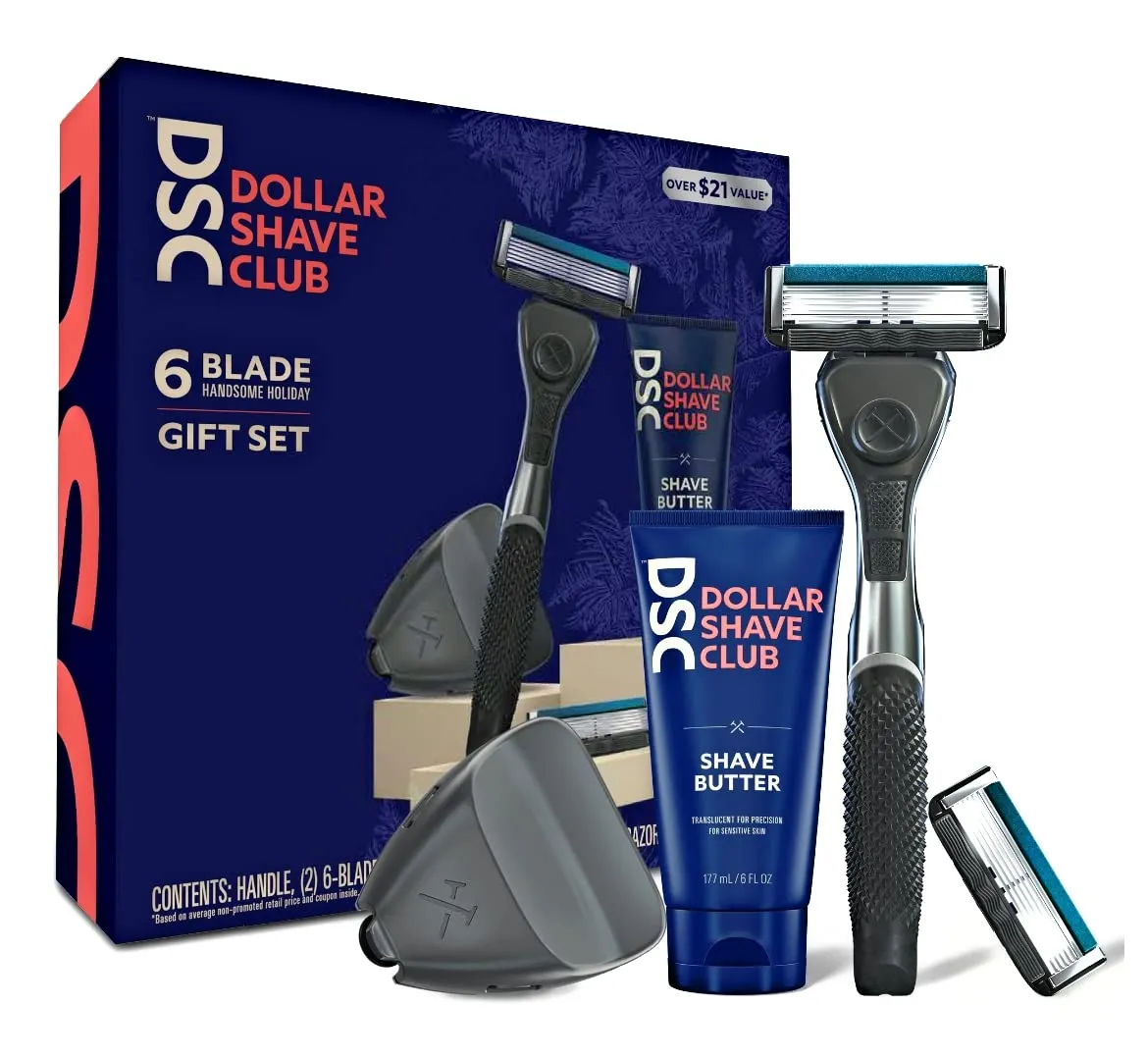
Dollar Shave Club became famous for a funny YouTube video it released in 2012. NBC News reported that the company ran out of inventory within hours of the video appearing, and that Unilever later bought it in a deal Fortune put at $1 billion in cash.
The lesson is not “go viral.” It is that a clear message aimed at a specific frustration, overpriced razors, can do the work of a big ad budget.
Example: Airbnb
Airbnb’s early growth was hands-on. Paul Graham’s essay Do Things That Don’t Scale describes the founders going door to door in New York to recruit hosts and help them improve their listings. Marketing and sales were the same activity: meeting people, one at a time.
How marketing and sales work together
The handover between the two is where most startups lose customers. Three things keep it working:
- Lead generation and nurturing. Marketing attracts potential customers. Sales, or an automated sequence, guides them to a decision.
- Shared numbers. Both sides should track customer acquisition cost (CAC) and lifetime value (LTV), not just their own metrics.
- A feedback loop. Sales tells marketing which leads close and which waste time, and marketing adjusts who it targets and what it says.
Example: HubSpot

HubSpot built its business on inbound marketing. Its content attracts people searching for marketing and sales advice, nurtures them with more useful content, and passes the ready ones to sales. Search and content do the early part of the sale before a salesperson ever speaks to the prospect.
For a startup, organic search is one of the few marketing channels that keeps paying after you stop spending. That is the work behind our SEO services.
Who should own sales and marketing at each stage
| Stage | Who owns it | What it looks like |
|---|---|---|
| Pre-revenue | Founder | Direct conversations, manual onboarding, first content |
| First paying customers | Founder, maybe one generalist | A repeatable pitch, one main channel, basic CRM |
| Repeatable sales | First sales hire and first marketing hire | Documented process, targets, a content and SEO plan |
| Scaling | Separate sales and marketing teams | Specialist roles, shared revenue targets, budgets per channel |
Do not hire a head of sales to find out whether your product sells. Hire them once you, the founder, have sold enough times to know the pitch works. Hiring before then is expensive, a risk we cover in hiring the wrong talent.
Sales strategy for startups
A workable early sales strategy has four parts:
- A narrow target. One customer type you can describe in a sentence.
- Clear goals. A number of conversations, demos or closed deals per week.
- A simple process. First contact, discovery call, demo or trial, proposal, close. Write it down.
- A CRM from early on. Even a spreadsheet. You cannot improve a process you do not track.
Example: Zoom

Zoom offered a free tier with the essentials, which brought in a huge user base. Its sales team could then focus on converting the organisations already using it. A free product that people use is a lead list that builds itself.
Example: Shopify
Shopify built for small businesses and spoke their language: getting an online shop running quickly without technical help. Understanding a specific customer that well makes both marketing and sales easier.
Marketing strategy for startups
Early marketing works best when it is narrow and measurable:
- A clear value proposition. Say what you do, for whom, in one sentence.
- One or two channels, not five. Pick where your customers already look for solutions.
- Data over opinion. Track which channel brings customers who pay and stay, not just traffic.
- Trust signals. Reviews, case studies and referrals. We explain why in social proof is the new currency.
Example: Dropbox
Dropbox gave users extra storage for every friend they referred, with no cap. Business Insider reports that Dropbox went from 100,000 users at launch to 200,000 about 10 days later, and passed one million seven months after launch.
The same report notes that, at first, 60% of people who signed up through referrals never used the service, which pushed the team to fix the experience. Referrals bring people in. Only the product keeps them.
Big-company lessons worth borrowing
Some of the most cited examples are not startups any more, but the ideas scale down.
Tesla sells directly to customers instead of through dealerships, which lets it control the price, the message and the buying experience. A startup can do the same by owning its own website and customer relationships rather than depending on marketplaces.

Apple pairs premium brand marketing with a carefully designed buying experience in its stores. The lesson for a small business: the way you sell is part of the product.
Amazon puts customer convenience at the centre, from recommendations to delivery. Every friction you remove from buying is a sale you are less likely to lose.
Frequently asked questions
Should a startup focus on sales or marketing first?
Usually sales, done by the founder. Direct conversations teach you who buys and why, which is what your marketing will need to say later.
When should a startup hire its first salesperson?
After the founder has closed enough deals to know the pitch, the customer and the objections. A new hire should repeat a working process, not invent one.
What marketing channels work best for early-stage startups?
The ones where your customers already look for answers. For many businesses that is search, because people type their problem into Google. For others it is a community, LinkedIn or a marketplace. Test one properly before adding another.
How much should a startup spend on marketing?
There is no fixed percentage. Early on, spend mainly time rather than cash, and only put money behind a channel once it has brought in customers who pay.
The bottom line
Sales and marketing decide whether a good product becomes a business. Start with founder-led sales to learn what customers want, pick one marketing channel and do it well, and make the two share the same numbers. For the bigger picture, read the difference between building a product and building a business, and if you have no traction yet, start with why startup growth gets stuck at £0.
If you want to build these skills yourself, our SEO and growth marketing course is a practical next step.
Sources
Reports, articles and industry research, by email
Original Nigerian search data a few times a year, new guides as they are published, and a short note when Google or Meta changes something that affects businesses here. No sales emails, unsubscribe in one click.

Want this done for your business?
Get a free SEO audit: rankings, technical issues, competitor gaps and the quickest wins, within 48 hours.